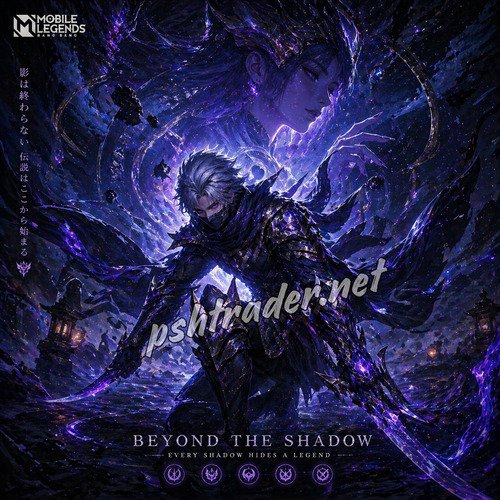
pshtrader.net – Mobile Legends: Bang Bang is not just a game about picking strong heroes and fighting randomly on the battlefield. It is a structured competitive experience where every hero has a defined purpose, and every decision influences the rhythm of the match. Understanding heroes means understanding tempo, map control, and teamwork. The difference between a casual player and a skilled one often comes down to how deeply they understand their hero’s role in the bigger picture of the game.
This guide explores heroes in a more strategic way, focusing on how they function in real matches, how to maximize their strengths, and how to adapt your playstyle depending on what the game demands.
Core Hero Roles and Their Strategic Identity
Every hero in Mobile Legends belongs to a role that defines their battlefield identity. These roles are not just labels—they determine positioning, timing, and overall responsibility in team fights.
Tanks are built to control the frontline and create space for teammates. Their durability allows them to absorb damage while disrupting enemy formations with crowd control abilities. A strong tank does not simply stand in front; they actively shape how fights begin and unfold.
In real gameplay, tanks often act as shot-callers in engagements. They check bushes, absorb skill rotations, and force enemies to reposition. Good tank players understand timing—engaging too early can waste opportunities, while engaging too late can cause objectives to be lost without resistance. Their role becomes even more important in coordinated fights where initiation determines everything.
Fighters: Balanced Pressure and Sustained Combat
Fighters are versatile heroes who combine durability with damage output. They often dominate side lanes and can transition into semi-frontline roles during mid to late game fights. Unlike tanks, fighters contribute meaningful damage while still being able to survive extended engagements.
Their strength lies in consistency. Fighters can pressure lanes, win duels, and still participate in team fights without losing effectiveness. In many matches, fighters become the bridge between frontline tanks and backline damage dealers, helping stabilize fights through sustained pressure and flexible positioning.
Supports: Control, Utility, and Team Empowerment
Supports are often underestimated, but they play a crucial role in enabling the entire team. Their abilities focus on healing, shielding, crowd control, or vision control. A well-played support can completely change the outcome of a fight without dealing significant damage.
Support players must constantly observe the battlefield and anticipate threats before they happen. Positioning is critical because they are usually targeted early in fights. Their value comes from decision-making rather than raw stats—knowing when to protect, when to disengage, and when to assist in aggression defines their impact.
Game Flow Understanding and Hero Timing
Heroes in Mobile Legends do not operate in isolation. Their effectiveness changes depending on the stage of the game, and understanding timing is essential for maximizing impact.
The early game focuses on farming, lane stability, and information gathering. Each hero has different priorities depending on their scaling potential. Early-game heroes aim to pressure lanes and secure kills, while late-game heroes focus on survival and resource accumulation.
Map awareness becomes extremely important during this phase. Players must track enemy rotations and avoid unnecessary risks. A single misstep can lead to snowball advantages for the opposing team. Good early-game discipline ensures smoother transitions into mid-game strategy.
Mid Game: Rotation Power and Objective Focus
Mid game is where Mobile Legends becomes more dynamic. Heroes leave their lanes more frequently, and team fights around objectives like Turtle and towers become the main focus. This phase emphasizes coordination and timing over individual performance.
During mid game, assassins begin hunting isolated targets, tanks initiate structured fights, and mages provide zoning pressure. Teams that rotate efficiently gain map dominance, allowing them to control vision and dictate the pace of the match. Proper communication becomes essential for success.
Late Game: High-Stakes Execution
Late game is the most critical phase, where one mistake can determine the outcome of the entire match. Heroes are fully built, and damage output is at its peak. Every engagement must be carefully calculated.
Positioning becomes the deciding factor. Marksmen and mages must stay protected while maximizing damage output, while assassins look for precise opportunities to eliminate key targets. Tanks must identify perfect initiation moments. The difference between victory and defeat often comes down to a single team fight.
Beyond basic mechanics and roles, true mastery comes from adapting to the flow of the game and understanding deeper strategic layers.
Adaptive Itemization and Counterplay Strategy
Itemization is one of the most powerful tools for adapting to enemy compositions. Instead of following a fixed build, skilled players adjust their items based on threats in real time. Defensive items help survive burst damage, while penetration items counter tank-heavy teams.
Understanding when to adjust builds is what separates average players from advanced ones. Every match requires different responses, and flexibility ensures that heroes remain effective regardless of enemy strategy. This adaptive mindset is essential in higher ranks.
Draft Phase Strategy and Team Composition Balance
The draft phase sets the foundation for the entire match. Choosing heroes is not just about personal preference but about synergy, counter-picking, and team balance. A well-structured team usually includes frontline durability, sustained damage, burst potential, and utility.
Counter-picking plays a major role in disrupting enemy plans. Selecting heroes that naturally counter opponents can force them into disadvantageous matchups from the start. A strong draft often makes execution easier throughout the game, reducing pressure on mechanical performance.
Macro Awareness and High-Level Decision Making
Macro gameplay refers to the overall understanding of map control, rotations, and objective prioritization. Players with strong macro awareness always know where they should be and why they should be there.
Decision-making is the core of high-level play. Even with strong mechanics, poor decisions can lead to losing fights or objectives. Skilled players constantly evaluate risks, track enemy movements, and choose the most efficient actions to maintain advantage. This strategic thinking is what elevates gameplay from mechanical to professional-level understanding.
Conclusion Mobile Legends Heroes Mastery Guide: From Beginner Mechanics to Competitive Strategy
Heroes in Mobile Legends represent more than just combat abilities—they define strategy, teamwork, and decision-making. Every role, from tanks and fighters to supports and damage dealers, contributes to a larger system that determines victory or defeat.
Mastery comes from understanding not only how to use a hero, but when and why to use them. As players progress, the game transforms into a deeper experience of timing, adaptation, and coordination. Those who learn to combine mechanical skill with strategic awareness will consistently perform better and gain a much stronger understanding of how Mobile Legends truly works at a competitive level.
